Beyond radon mitigation

Radon Mitigation & Testing Services in York County

Alongside radon mitigation, I offer the testing, repair, and inspection work homeowners actually need to know what's going on inside their home. Every service comes with the same straight talk and written pricing as a mitigation job, no surprise line items on the day of service.

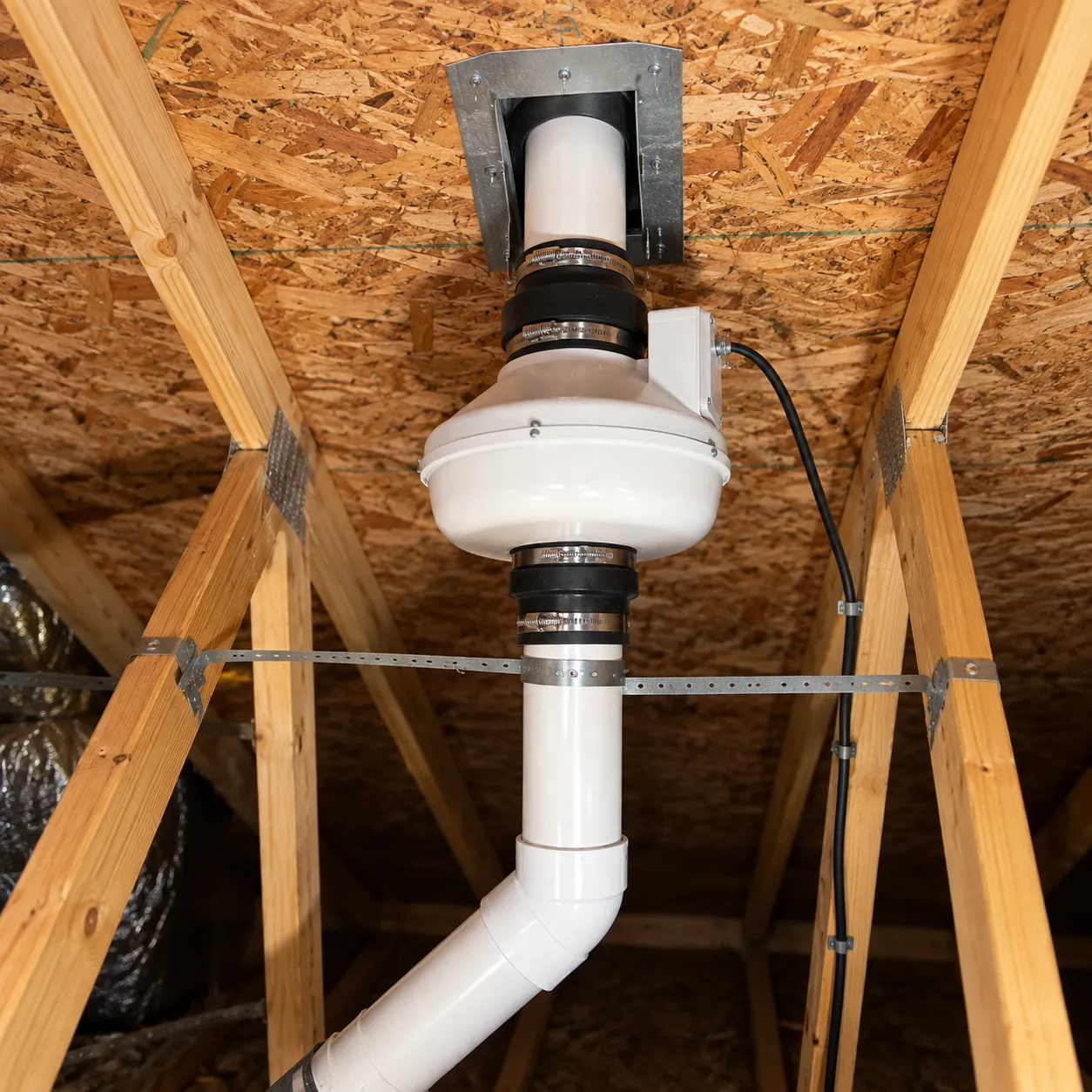
Radon mitigation fan and vent pipe installed in an attic
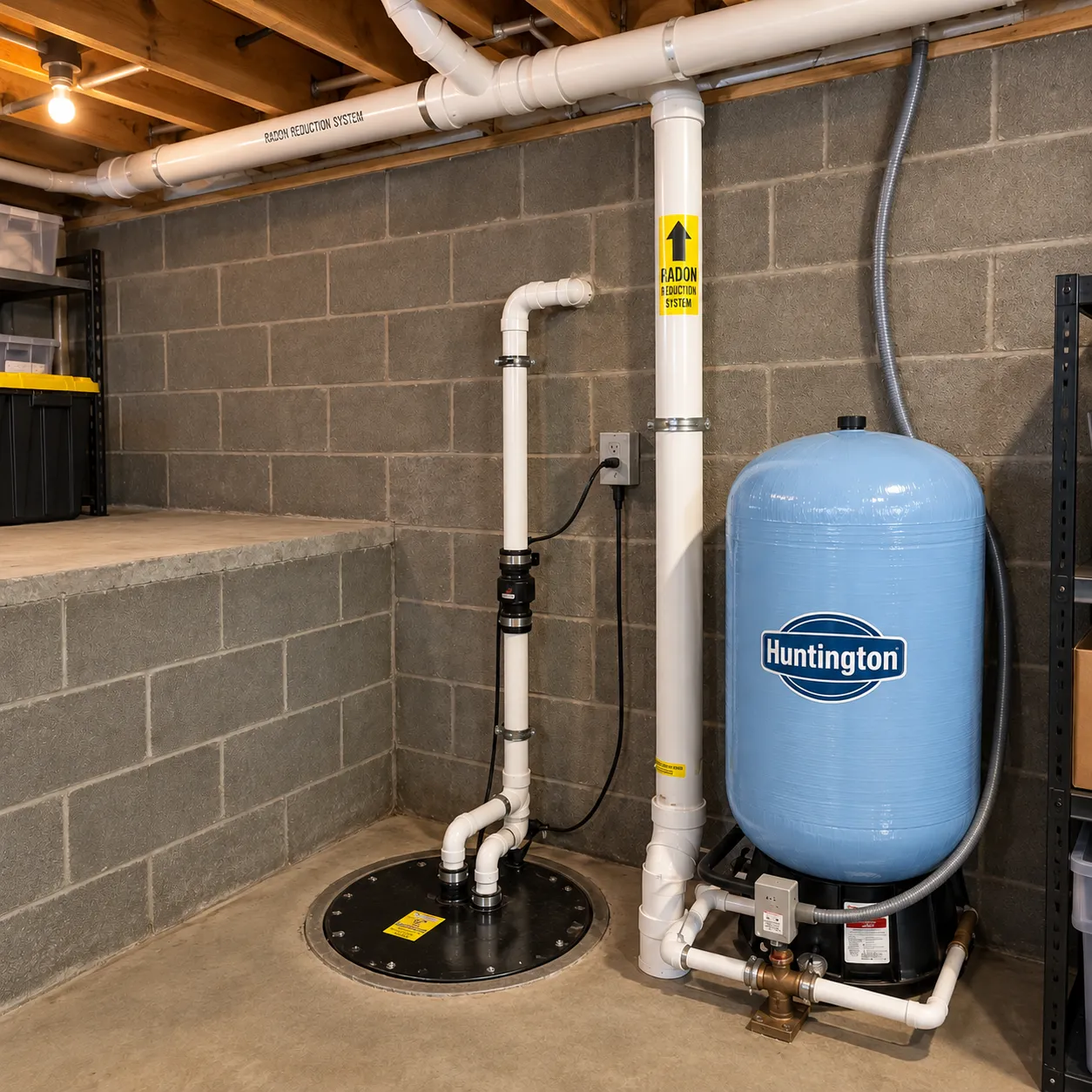
Interior radon mitigation system with vent piping and fan connections

Radon Mitigation

Radon mitigation is my main line of work. Every job starts with a diagnostic walkthrough of your foundation, because a poured slab, a stone or rubble wall, hollow block, and a dirt crawl space each need a different approach, and the number of suction points depends on what's under your house, not on a phone estimate. From there it's the suction point, Schedule 40 PVC vent piping routed above the roofline, a continuous-run fan, airtight sealing of cracks, joints, and the sump lid, and a manometer so you can see the system pulling vacuum. Then I retest per PA DEP protocol to confirm your level actually dropped below 4 pCi/L. I install to state standards on every house, and I don't consider the job done until the retest says it is. Full breakdown of how a system works on the Home.

Radon test kit set up in a basement

Radon Testing

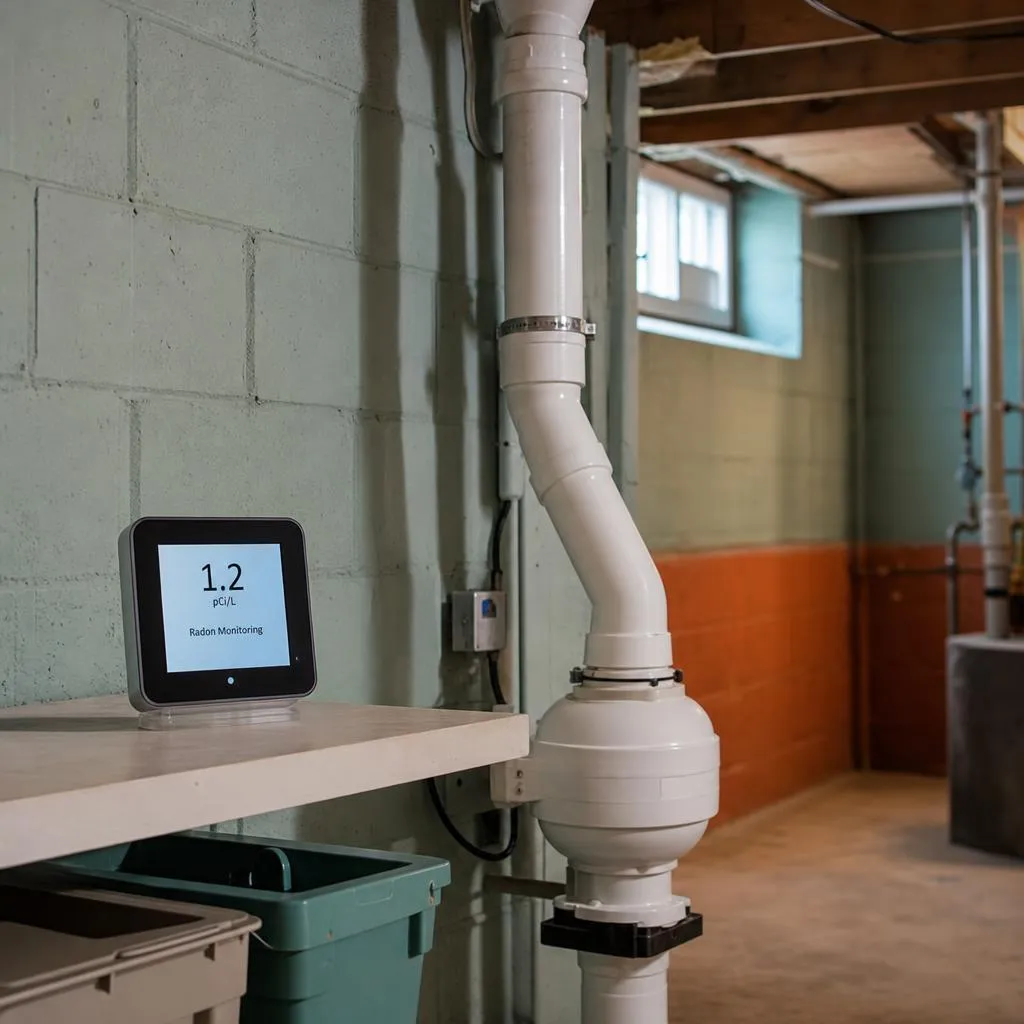
Radon has no smell, no color, and no warning sign you'd notice on your own, so testing is the only way to find out where your home stands. I use both short-term test kits and continuous radon monitors (CRMs) to get an accurate reading in picocuries per liter (pCi/L), the same unit the EPA and PA DEP use to decide whether mitigation is recommended. Short-term tests run 2 to 7 days; long-term tests give a more accurate seasonal average, since levels shift with weather and heating season. Whether you're buying, selling, or just want confidence in the number, I'll get you a clear result and explain exactly what it means. Typically around $200 for a standard test.

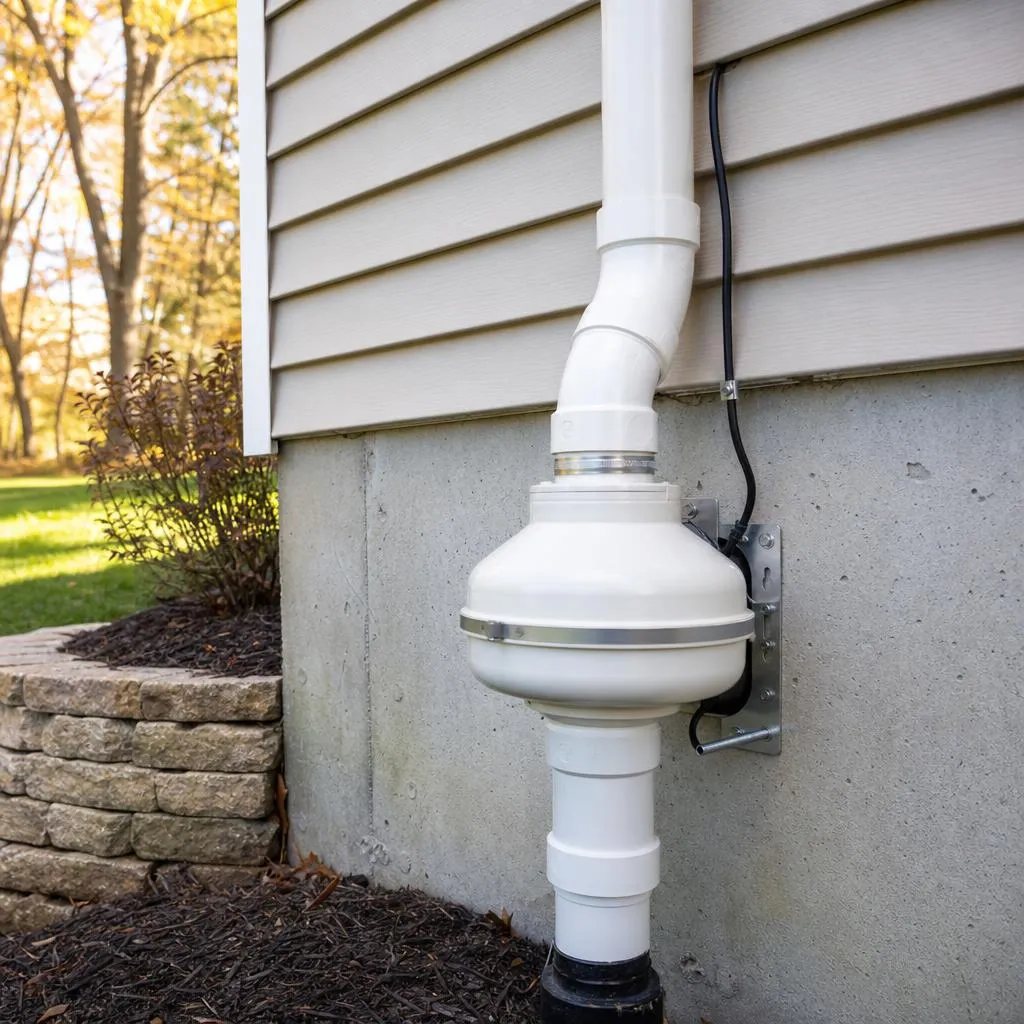
Radon mitigation fan mounted on exterior pipe

Fan Replacement & Repair

Radon fans run 24 hours a day, every day, and the fan is the one part of a mitigation system that eventually wears out, usually somewhere between year 7 and year 10. If yours has gotten loud, gone silent, or your radon levels are creeping back up even with the system running, that's almost always a fan problem, not a reason to redesign the whole system. A straightforward swap includes a new fan, rubber vibration-damping couplers, a seal check, and a suction confirmation. If a seized fan sat too long and caused wiring or condensation damage, or the original pipe routing needs correcting, the job runs higher, and I'll walk you through that on-site before doing any work. I service and replace fans on systems I didn't originally install. Typically around $375 for a standard swap; more involved repairs run higher.

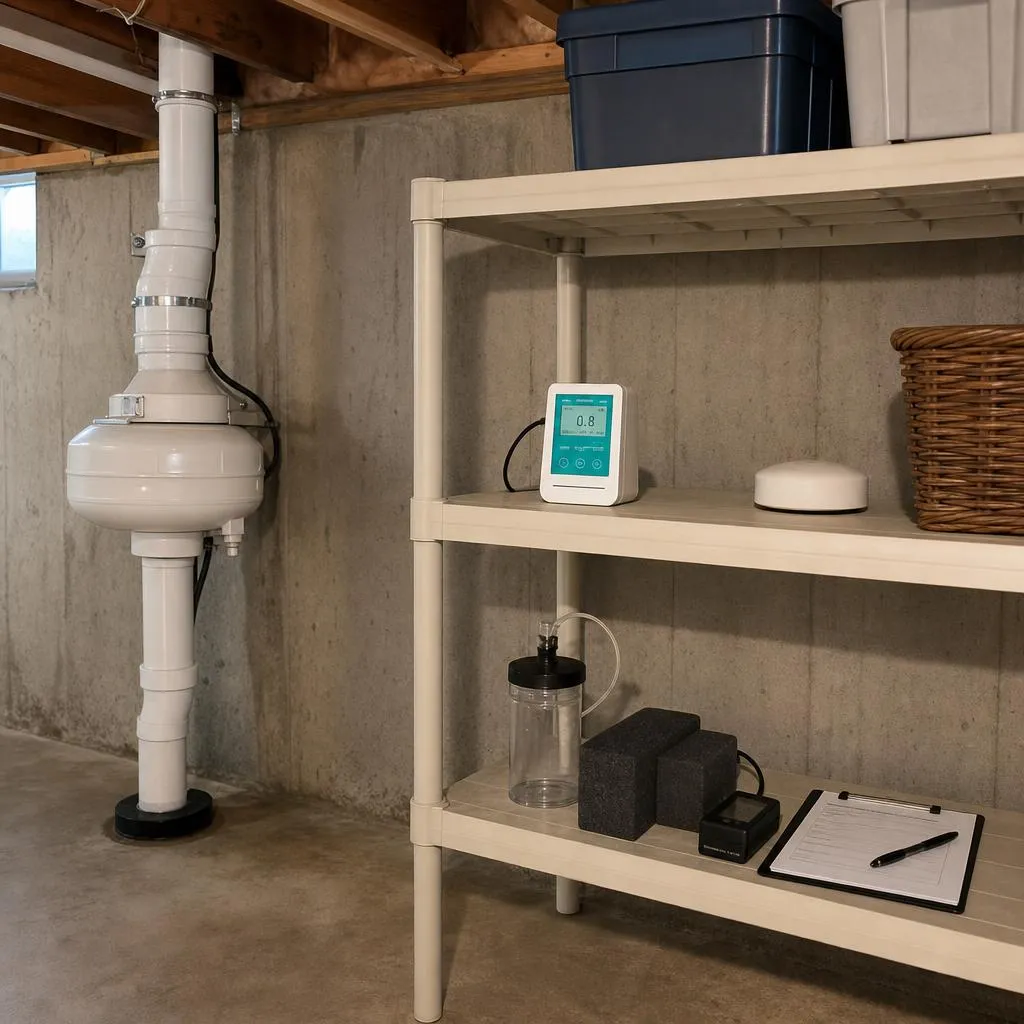
Digital radon monitor on a basement shelf

Post-Mitigation Retesting

Every mitigation system should be retested after installation to confirm it actually brought your radon level down, and PA DEP recommends periodic retesting afterward, especially during heating season, to make sure it's still working. If you're selling your home, refinancing, or just haven't checked your levels in a few years, I offer straightforward retesting with a clear result. This is also the right call if your existing system seems fine but you want confirmation before a real estate deadline, or after any foundation, waterproofing, or remodeling work that could have changed how air moves under your slab. Typically around $200, similar to a standard radon test.

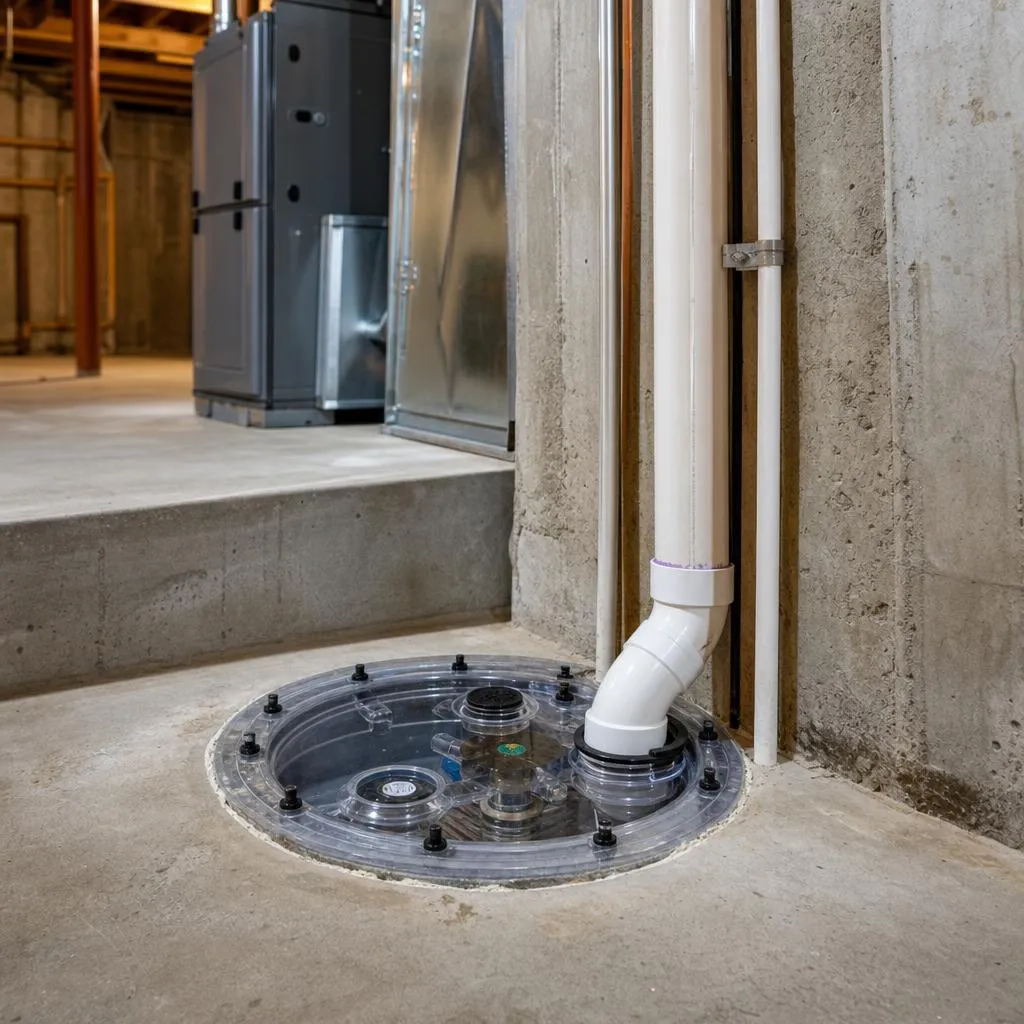
Sealed sump pit cover in a basement

Sump Pit Sealing

An open or poorly sealed sump pit is one of the most common ways radon enters a home, since it creates a direct path from the soil beneath your slab into your basement. I install airtight, sealed sump covers designed to work alongside a mitigation system, or as part of fixing a system that isn't performing the way it should. If your sump pit is uncovered, cracked, or was never properly sealed during a previous installation, this is often a quick, affordable fix that makes a real, measurable difference in your radon levels without a full system redesign. Typically around $400 as a standalone service; often bundled into a mitigation job.

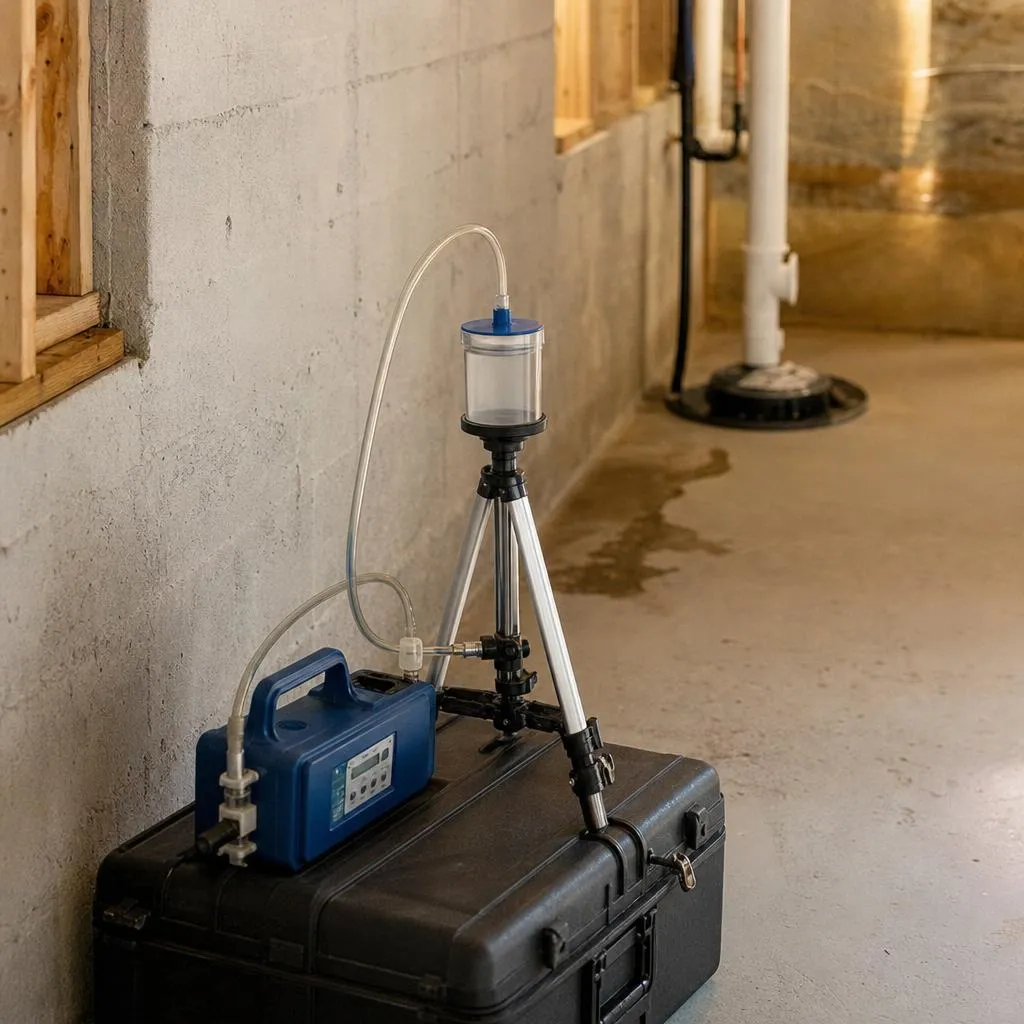
Air sampling equipment used for mold testing

Mold Testing

Mold thrives anywhere moisture collects, and it's not always visible before it becomes a problem. A musty smell, water stains on drywall, or allergy symptoms that seem worse at home are common early signs. I test using air sampling and surface (tape or swab) sampling to check for mold growth and elevated spore counts, so you know what you're actually dealing with before spending money on remediation you may not need, or before ignoring something that needs attention. York County's older housing stock, stone foundations, and damp basements make this a common concern here, and an honest answer up front saves you time, money, and unnecessary worry. Typically around $300 depending on the number of samples.

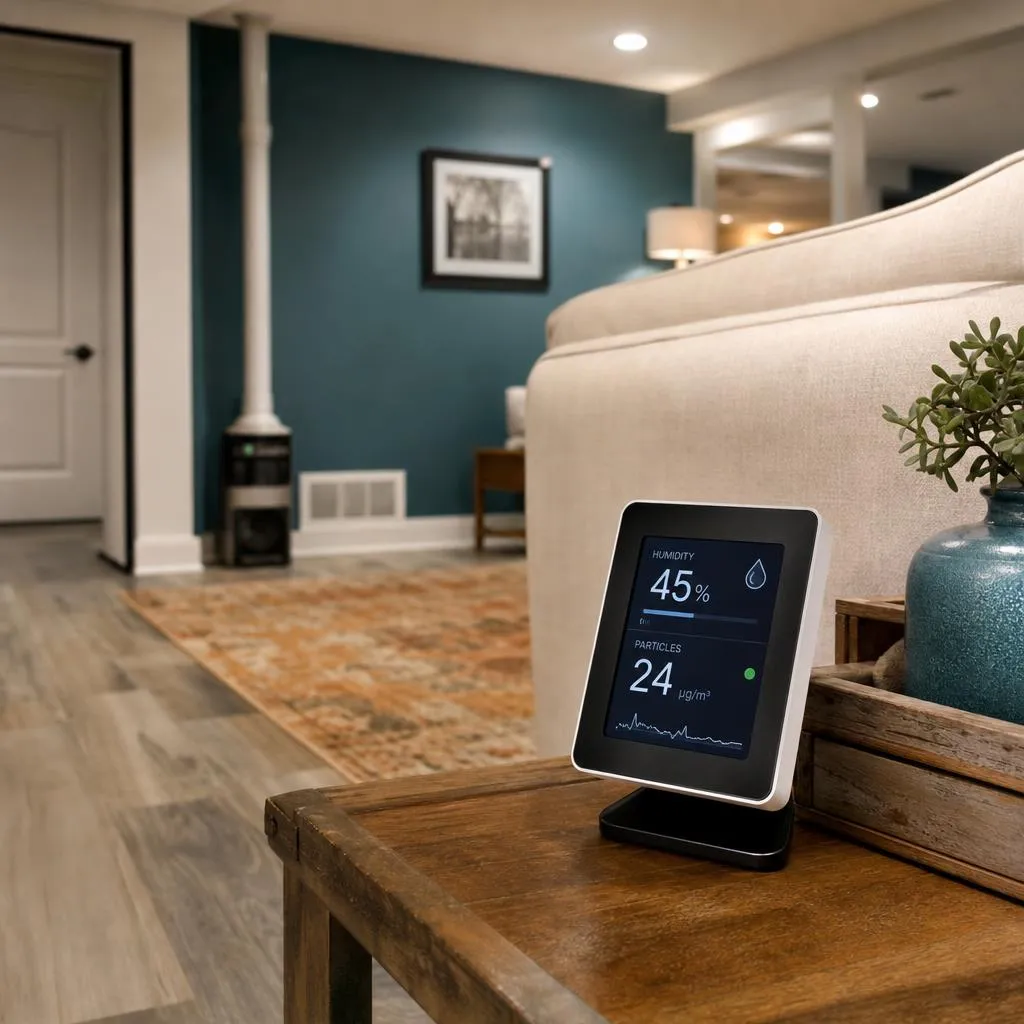
Indoor air quality monitor on a basement wall

Indoor Air Quality

The air inside your home can carry more than just radon and mold spores. Dust, allergens, volatile organic compounds (VOCs), airborne particulate matter, and humidity imbalances all affect what you're breathing every day. I assess your home's indoor air quality, including relative humidity levels and ventilation, to identify what's actually affecting your comfort and health, and give you straight answers about what's worth fixing. Whether you're dealing with a stuffy, humid basement or just want a baseline read on your home's air, this service gives you the information to make a real decision. Typically around $350 for a standard home assessment.

Services Questions

How Accurate Are Home Radon Monitors Compared to a Professional Test?

Consumer digital monitors are useful for tracking trends over time, but they're generally less precise than the short-term and continuous monitors I use professionally, which are calibrated and produce results that hold up for real estate transactions and DEP protocols. If you're relying on a result for a home sale or a mitigation decision, a professional test is the one that counts.

Do I Need Both a Mold Test and an Air Quality Test, or Just One?

They check different things. Mold testing looks specifically for mold spores and growth; an air quality assessment looks more broadly at humidity, ventilation, dust, and other airborne factors. If you have a specific mold concern (a smell, a stain, visible growth), start with mold testing. If you're more generally concerned about comfort or air quality with no visible mold, start with an air quality assessment. I can also do both in one visit.

How Long Does a Mold or Air Quality Test Take to Get Results?

Most samples are sent to a lab, and turnaround is typically a few business days. I'll walk you through what the results mean once they're back, not just hand you a report full of numbers.

Can I Get a Fan Repaired the Same Day I Call?

Often, yes, for a straightforward swap, but it depends on the fan and whether any additional issues turn up once I'm on-site. I'll give you a clear timeline when I see the system.

Not sure which service you need?

Tell me what's going on and I'll point you in the right direction

Start with a conversation